Modern Pedagogical Methods and Alternative Education in Romania
A reference archive on Montessori, Waldorf, Reggio Emilia, and project-based approaches as documented in Romanian schools, networks, and independent educational communities.
Recent Articles
Documented analysis of alternative teaching systems and their presence in Romania.

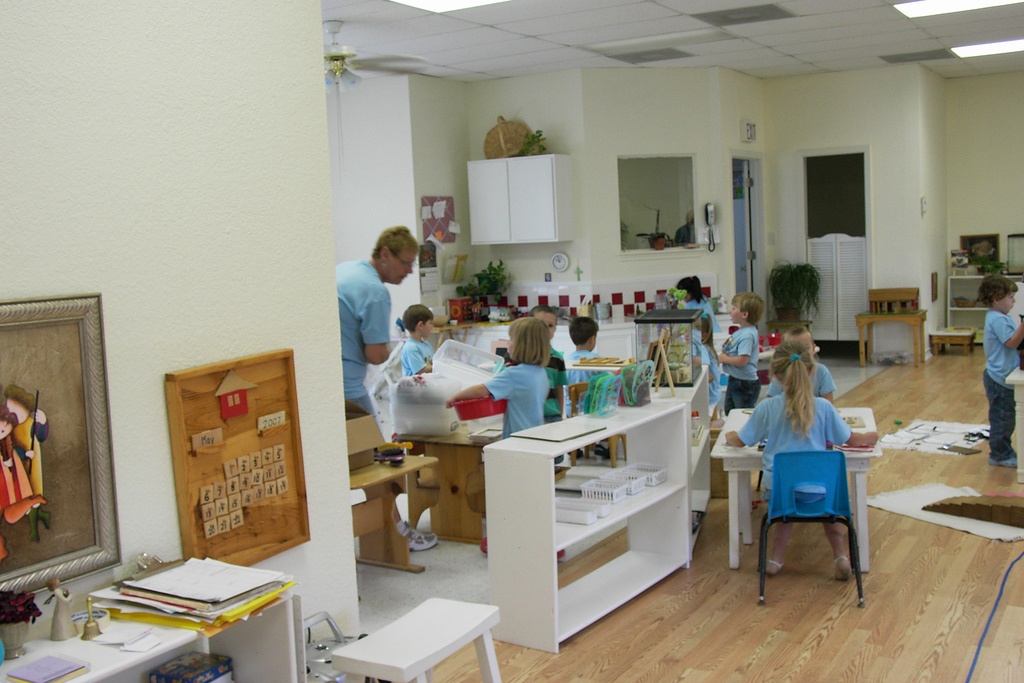
Montessori in Practice: What Romanian Classrooms Actually Look Like
Since the early 1990s, a growing number of schools across Bucharest, Cluj-Napoca, and Timișoara have adopted the Montessori framework in full or in part. The material-rich, child-directed environment described by Maria Montessori translates into concrete classroom arrangements that differ markedly from the standard Romanian state curriculum format.
Read the full articleMontessori: Prepared Environment and Self-Directed Work
The Montessori approach organises the classroom as a "prepared environment" where carefully sequenced materials allow children to progress at their own pace. Educators act as guides rather than direct instructors. In Romania, this model is found in both licensed AMI schools and in hybrid adaptations within state schools piloting alternative sections.
Key materials include the sensorial apparatus, golden bead mathematics sets, and the language materials designed by Montessori herself. Romanian adaptations often integrate national literature and local cultural references into the language-arts strand.
Waldorf: Arts, Rhythm, and the Seven-Year Developmental Cycle
Waldorf pedagogy, founded by Rudolf Steiner in Stuttgart in 1919, divides child development into three seven-year phases and structures the curriculum accordingly. In Romania, the Waldorf network has operated continuously since 1990, with schools in Bucharest, Cluj-Napoca, Sibiu, and several smaller cities. The Federation of Waldorf Schools in Romania coordinates teacher training and curriculum standards.
Artistic subjects — watercolor painting, eurythmy, beeswax modeling — are not extracurricular enrichments but core curriculum components. Main lesson blocks replace the standard 45-minute period structure.
Project-Based Learning: Integrated, Inquiry-Led Units
Project-based learning (PBL) is documented in Romanian alternative schools as an organisational frame where extended student investigations replace or supplement traditional subject-by-subject instruction. Students identify a driving question, conduct research, collaborate on products, and present findings to a real audience.
In the Romanian context, PBL has been integrated by several Step by Step schools and by independent democratic schools that seek to build subject-area competencies through authentic tasks rather than textbook exercises.
The Steiner Curriculum: Seasonal Festivals and Integrated Arts
Beyond the classroom methods, the Steiner curriculum incorporates seasonal festivals, handwork classes, and a spiral approach to subjects that revisit the same themes at deeper levels across grade levels. In Romania, the Waldorf calendar includes St. Michael's Festival in autumn and the Advent spiral in December as regular school events tied to the pedagogical year.
The curriculum does not use graded textbooks until the upper grades; instead, students create their own "main lesson books" — illustrated notebooks that record the epoch content in the student's own words and drawings.
Why Alternative Methods Have Gained Ground in Romania
The post-1989 education landscape opened space for experimentation. Here are four factors that shaped that expansion.
Legislative opening
Romanian education law after 1990 permitted the recognition of alternative educational frameworks, allowing Waldorf and Step by Step schools to operate with state-certified diplomas.
Parent-driven demand
The growth of alternative schools in urban centres like Bucharest and Cluj-Napoca was largely driven by parent communities seeking classroom environments that differed from rote-learning norms.
International teacher training
Romanian Waldorf teachers completed certification through European institutes, and Montessori AMI training reached the country in the mid-1990s, building a domestic base of trained educators.
Research documentation
Universities in Cluj-Napoca and Bucharest have produced academic studies on alternative pedagogy outcomes, contributing to a growing body of Romanian-language research on the topic.
Step by Step network
Supported by Open Society foundations in the 1990s, the Step by Step network introduced child-centered methods into state kindergartens and early-primary classes across Romania.
Urban concentration
Alternative schools are predominantly found in university cities. Rural access to non-standard approaches remains limited, a gap documented in Ministry of Education reports from 2018 onward.
Thirty-five years of documented alternative education in Romania
From the first Waldorf class in Cluj-Napoca in 1990 to the current network of over 70 Waldorf classes and dozens of licensed Montessori environments, the record is substantial and still growing.
About this archive